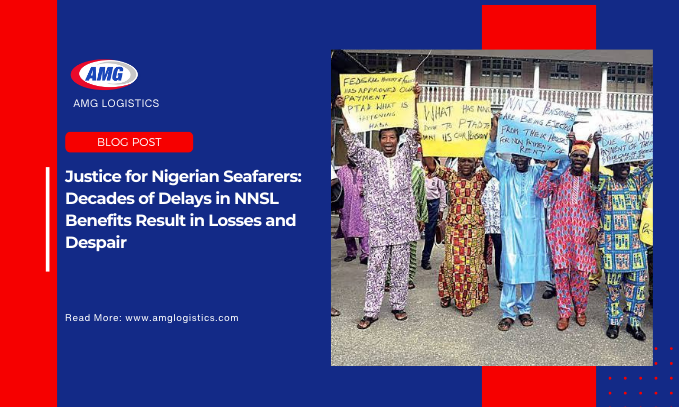
The plight of disengaged seafarers from the defunct Nigerian National Shipping Line (NNSL) has reached a heartbreaking point, with eight ex-seafarers dying in 2025 alone while waiting for their long-overdue severance entitlements from the Nigerian government. These tragic deaths are part of a larger pattern of suffering endured by hundreds of ex-workers who have spent decades in poverty, health decline, and despair due to delayed payments and bureaucratic delays.
The Ongoing Struggle for NNSL Benefits
Since the liquidation of NNSL in 1995, disengaged seafarers have faced an endless battle to receive their severance packages and retirement benefits. While successive Nigerian governments have repeatedly promised to settle these entitlements, bureaucratic inefficiency and multiple verification exercises have only prolonged the agony. The ongoing delays have led to severe health problems, financial ruin, and, tragically, untimely deaths for many of these aging workers.
In 2024, a year marked by another round of verification aimed at facilitating the long-delayed payments, 13 seafarers lost their lives while still awaiting their dues. As we move into 2025, the situation continues to worsen, with eight more seafarers dying while awaiting these critical payments. Many others are bedridden with life-threatening ailments such as strokes and chronic illnesses, all exacerbated by years of neglect.
A Government in Action, But Still No End in Sight
As recently as February 2025, it was reported that the Federal Ministry of Finance was processing the claims of the ex-workers, fueling hope that payments might be disbursed by the end of March. Despite these assurances, seafarers are still waiting for the payment of their benefits, with some speculating that they will never live to see the funds they were promised.
On Tuesday last week, dozens of ex-seafarers gathered at their union’s secretariat in Lagos despite the heavy rainfall, hoping for updates on the status of their benefits. However, they left once again with no concrete news.
Hassan Muhammed, one of the affected ex-seafarers, shared his frustration, saying, “Nigerian Airways workers got their money after many years. Ours will come, but how many of us will still be alive to enjoy it?” His sentiments echo the despair felt by many, who are now drawing comparisons with the former Nigerian Airways staff who recently received a N46 billion settlement after years of waiting.
The Financial and Health Toll on NNSL Ex-Seafarers
The prolonged waiting period has taken a massive toll on the health and finances of the disengaged seafarers. Many have been forced into poverty, unable to access proper medical care, while others have faced severe health complications due to years of hardship. Stroke and other debilitating conditions have become common, with some seafarers no longer able to even make it to the union’s meetings.
In addition to the health issues, there is the emotional and psychological impact of waiting for justice. The suffering has led to a sense of hopelessness and despair, with some seafarers worrying they may die before their benefits are finally paid.
The Role of MWUN and Ongoing Advocacy
The Maritime Workers Union of Nigeria (MWUN), under the leadership of President-General Bunu Francis, has been advocating for these seafarers by making repeated trips to Abuja to engage with key government ministries, including Marine and Blue Economy, Labour, and Finance. While some progress has been made, the final resolution remains elusive.
A new round of verification is reportedly in the works, with the Ministry of Finance planning a second round before disbursement can take place. According to Ijia Godwin, another ex-seafarer, once the verification process is complete and amounts are published, the payments should follow shortly. However, seafarers continue to wait, unsure if they will live long enough to see the promised funds.
The Future of NNSL Benefits: Hope for the Future?
Despite the ongoing delays, there is a glimmer of hope for the Nigerian seafarers who have spent decades fighting for their rights. The MWUN, along with other stakeholders, remains committed to ensuring these workers receive their dues. The Permanent Secretary of the Ministry of Finance has assured that a resolution is on the horizon, but how long will it take before these seafarers finally see their long-awaited payments?
As the situation develops, ex-seafarers and their advocates are watching closely, hoping that the government will act quickly to end this painful chapter in the history of Nigeria’s maritime sector.
Conclusion: Time for Action
The ongoing struggle of the disengaged seafarers of NNSL is a sobering reminder of the government’s failure to meet its promises and obligations to those who served the nation. The seafarers’ suffering must end, and their long-overdue entitlements should be paid without further delays. As the seafarers await NNSL benefits, it is crucial for both the government and the public to take action and ensure that justice is served before more lives are lost.