At the heart of every thriving economy is a transportation system that’s efficient, accessible, and sustainable. Nigeria, Africa’s largest economy, is poised at a critical juncture in its transportation evolution and the message from leaders in the sector is clear: it’s time for a bold, holistic national transport policy that will unlock sustainable growth and prosperity.
A Vision for Sustainable Mobility
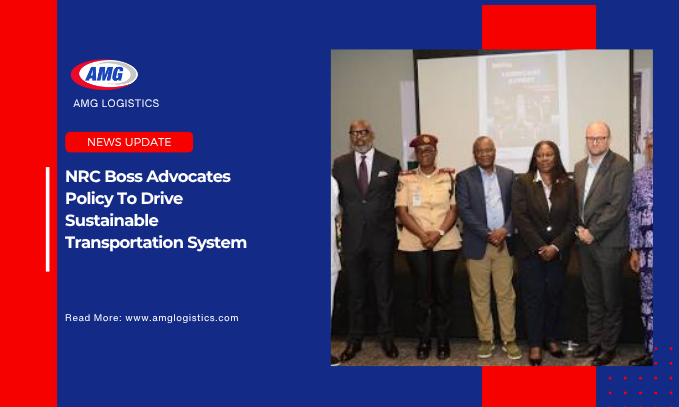
Dr. Kayode Opeifa, Managing Director of the Nigerian Railway Corporation (NRC), recently spotlighted this imperative at the 11th Transport Day lecture held in Lagos. His paper, “Sustainable Transportation System in Nigeria: A Path to Economic Prosperity,” laid out a compelling case for integrated transport planning as the foundation of Nigeria’s future.
While Nigeria has made strides in sustainable mobility, Dr. Opeifa emphasized that the sector’s potential remains untapped without a comprehensive framework tailored to mass transit operations. This framework should prioritize accessibility, affordability, inclusion, efficiency, and environmental responsibility — the pillars that underpin global sustainable development goals.
The Call for a Strategic National Rail and Transport Master Plan
Central to Dr. Opeifa’s vision is a call for a new strategic national rail transportation and logistics master plan. Rail infrastructure, he argues, holds transformative power to revolutionize freight and passenger transport across Nigeria’s vast regions. The recent government investments in rail infrastructure and collaboration with states have set promising momentum, yet a clear, long-term blueprint is needed to sustain and accelerate progress.
Beyond rail, Dr. Opeifa urged all state governments to establish dedicated Ministries of Transportation to oversee integrated transport policies. He also stressed the importance of complementary institutions, including Motor Vehicle Administration bodies, Driver Licensing Agencies, Vehicle Inspection Services, and Driver Training Institutes. These entities will be vital in ensuring safety, regulation, and efficiency across all transport modes.
Aligning Transportation with Economic Growth
A sustainable transport system is not just about moving people and goods efficiently—it’s a catalyst for broader economic growth and social development. Dr. Opeifa highlighted that reviewing and updating Nigeria’s integrated infrastructure master plan is critical to aligning transport development with the nation’s economic ambitions.
He praised President Bola Tinubu’s reform initiatives, such as the removal of fuel subsidies and currency harmonization, which have positively impacted the transportation sector. These policies, coupled with investments in rail systems, have laid a foundation for sustained improvement and innovation.
Clean Energy and the Future of Mobility
The call for sustainability also resonates in Nigeria’s energy transition. Mr. Frank Kintum, Convener and Publisher of Transport Day, lauded the government’s compressed natural gas initiative as a progressive step toward cleaner energy in transportation. He underscored the urgency for Nigeria to embrace electric vehicles and other alternative energy technologies, ensuring the country does not lag behind in the global shift toward environmentally friendly mobility.
What Lies Ahead
Nigeria stands at a transformative crossroads. With visionary leadership and a commitment to integrated, sustainable transportation policies, the nation can unlock economic prosperity, enhance quality of life, and reduce environmental impact.
The road ahead requires collaboration between federal and state governments, private stakeholders, and the citizenry to build a transport ecosystem that is reliable, inclusive, and green. As Dr. Opeifa rightly points out, such a future is not just desirable—it’s essential.