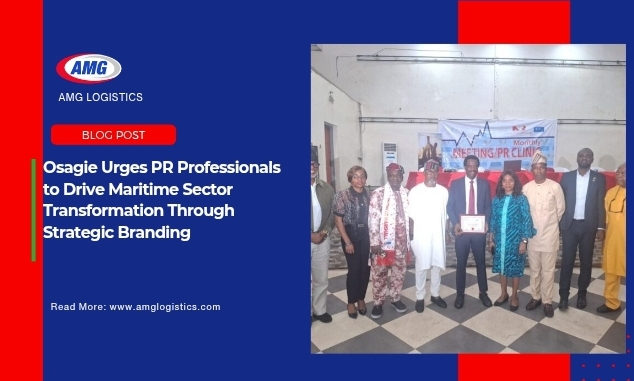
The Director and Head of Public Relations at the Nigerian Maritime Administration and Safety Agency (NIMASA), Mr. Edward Osagie, has called on public relations practitioners to take a leading role in transforming Nigeria’s maritime sector through strategic perception management and branding.
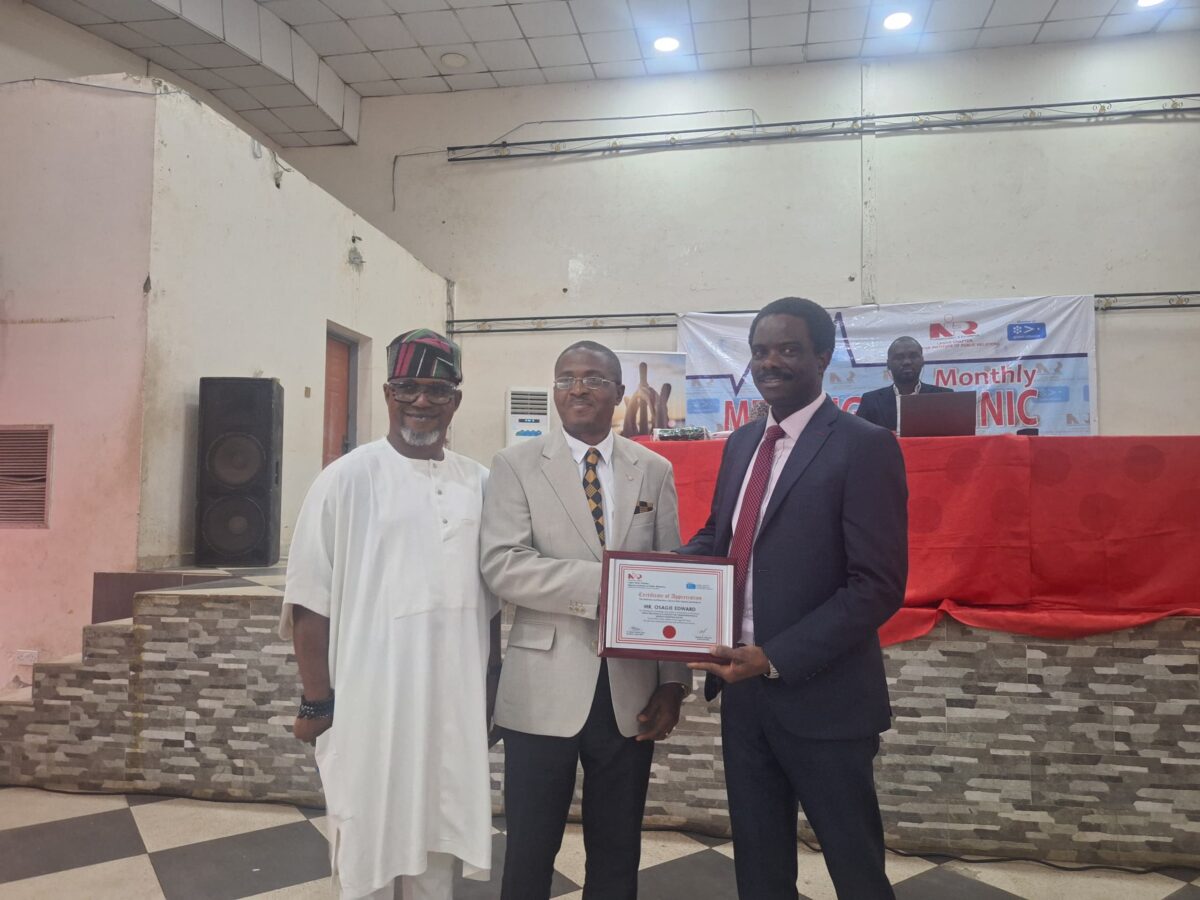
Osagie made this call on Thursday while delivering a guest presentation at the Monthly Public Relations Clinic of the Lagos Chapter of the Nigerian Institute of Public Relations (NIPR), themed “Public Relations as a Catalyst for Transformation in Nigeria’s Maritime Sector.”

Speaking at the forum, the NIMASA spokesperson, who is also a Fellow of the Institute, emphasised that perception remains a critical factor limiting Nigeria’s maritime and blue economy potential despite the country’s abundant natural and economic resources.
According to him, Nigeria’s coastal assets, tourism potential, and shipping opportunities remain underutilised largely due to poor global perception, noting that effective public relations strategies can reposition the country as a leading maritime destination.
He said, “The challenge we face is not necessarily the absence of opportunities, but how these opportunities are perceived globally. Public relations practitioners must step up to properly brand Nigeria and connect these potentials to the world.”
Osagie highlighted the country’s extensive coastline and vibrant coastal environment as untapped tourism assets, stressing that with the right branding, Nigeria could rival top global tourist destinations.
He further noted that countries with fewer natural advantages have successfully positioned themselves as global hubs through deliberate image-building and strategic communication, urging Nigerian practitioners to adopt similar approaches.
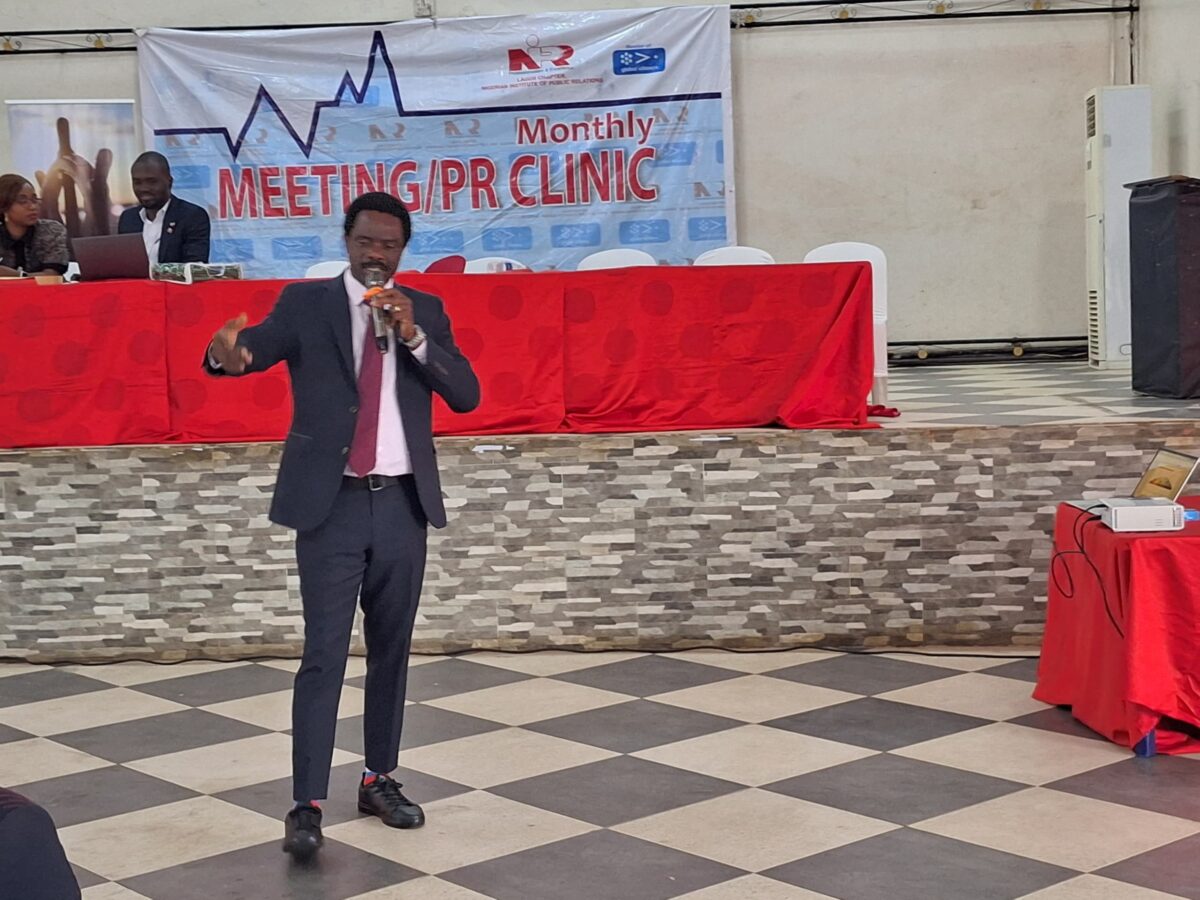
Drawing comparisons with nations such as the Philippines, he pointed out how strategic positioning has enabled them to dominate key segments of the global maritime workforce, adding that Nigeria, with its large and youthful population, has the capacity to achieve even greater feats.
Osagie also underscored the importance of unified messaging and collaboration among stakeholders, stressing that inconsistent narratives and lack of coordination often weaken the country’s global image.
He called for increased investment in public relations practice within the maritime sector, including policy support, stakeholder engagement, and the deployment of modern communication technologies to enhance visibility and attract investors.
“Public relations is central to policy acceptance, investment attraction, and sectoral growth. We must align our communication efforts with national development goals and present Nigeria as a viable maritime hub,” he added.
Osagie further urged practitioners to embrace innovation and adopt forward-looking strategies that would support the Federal Government’s drive to develop the marine and blue economy.
He concluded by encouraging PR professionals to champion mindset change, promote positive narratives, and actively contribute to repositioning Nigeria’s maritime industry for sustainable growth and global competitiveness.